Hundred of miles across the desert to Lima

Driving to Playa Tortugas

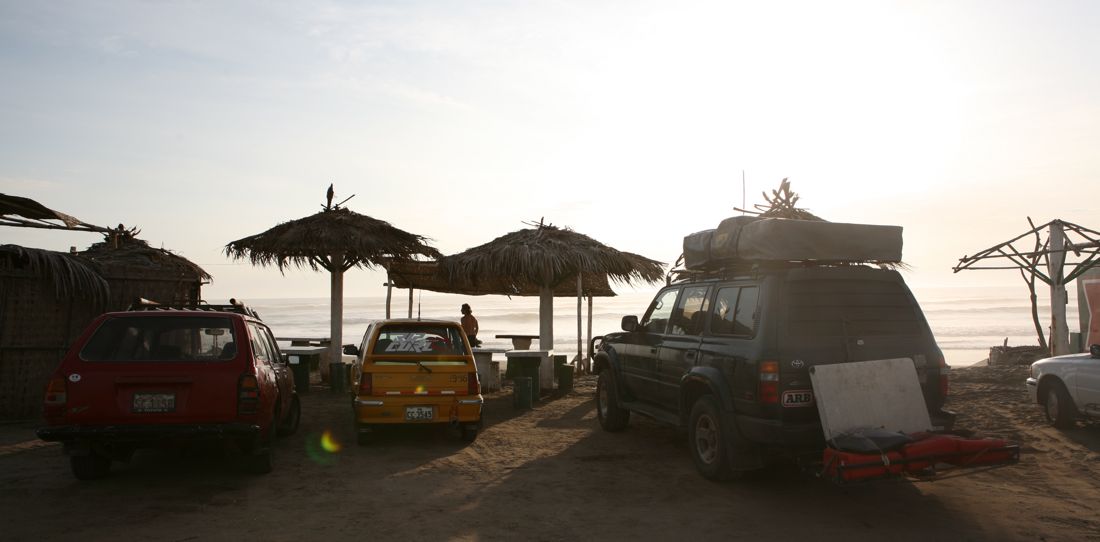
In the evening, after cooking a pasta diner with some squid, we went out on the beach to see some traditional Peruvian dancing. At midnight we were in bed, and stayed around until 1 p.m., to take advantage of the beach. In the afternoon, we would go to Trujillo, and we knew it would be harder to find a good spot to camp in the more populated area. I did quick a interview for a Los Angeles radio show and we left to cover the 200-miles to the city.
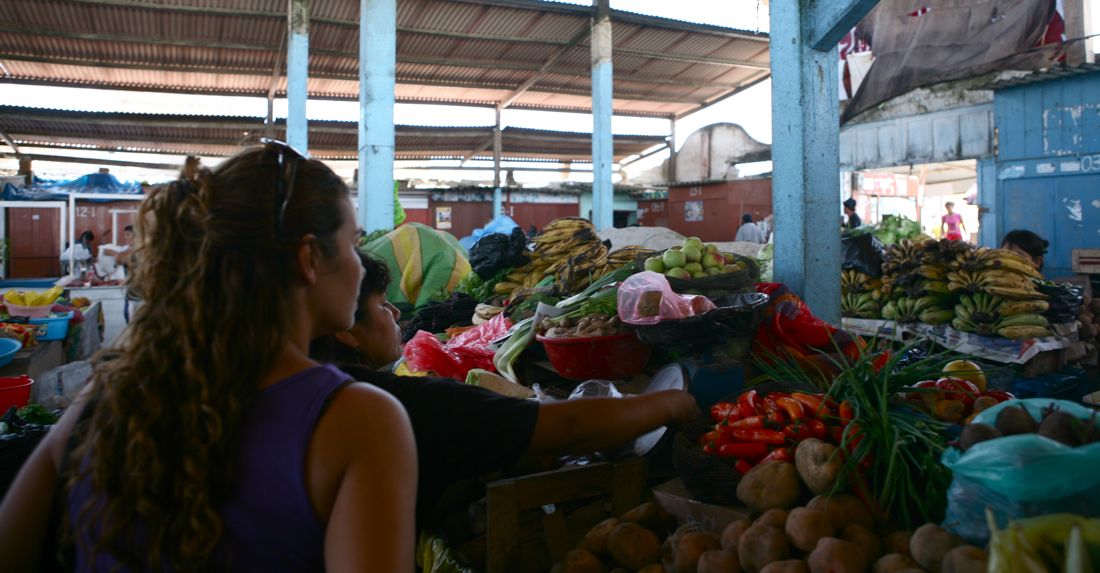
01_market
Getting supplies at a market close to the Pacific Ocean

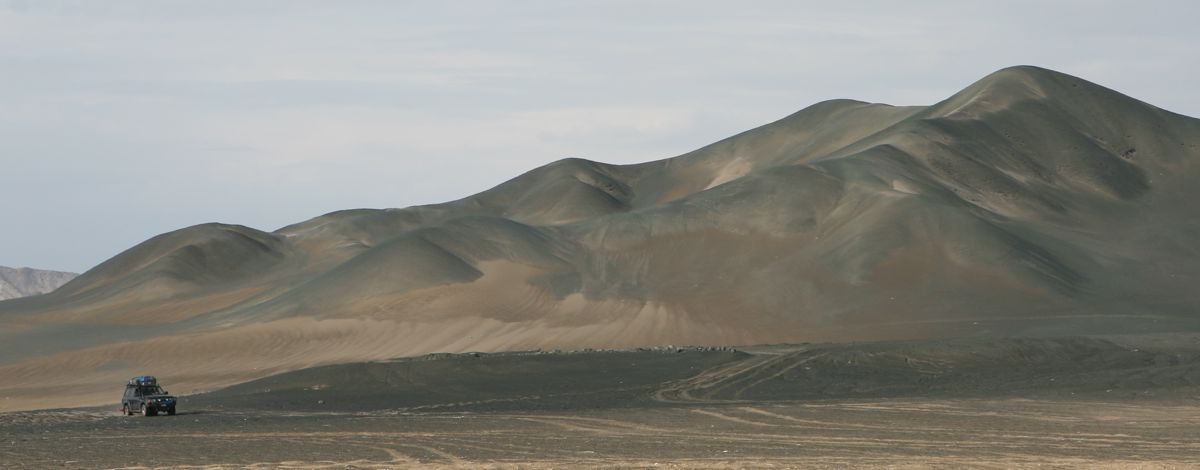
On our way out, we stopped at a market to buy fish and vegetables and got back to the Pan-American. I am so surprised by Northern Peru. Little did I know that we would be traveling through the sand desert until Lima. Here and there, there are some artificially irrigated areas, but often, you will go 70-miles before seeing a town or hamlet. It is also a large country, and I imagined being in Lima earlier than we would be. It now looks like Dan will leave us in Cuzco to go back to work.
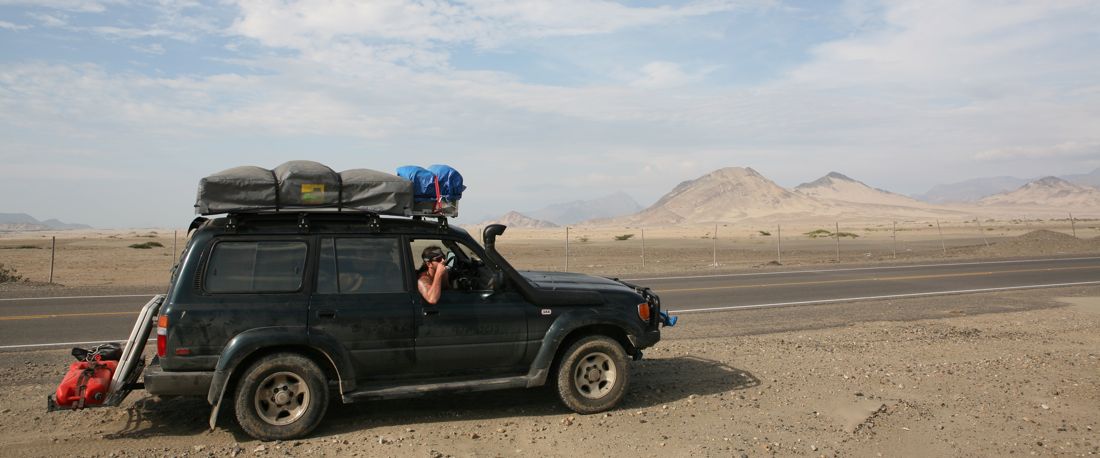
Quick stop in the desert, on our way to Trujillo

And there is also a larger distance between gas stations we see. Now, we try to refuel each time there is 95-octane gasoline available, which is not that often.

Trujillo
Trujillo

We stopped in Huanchaco, a town few miles outside of Trujillo. As I was working on uploading pictures to my website, I was surprised to ear screams behind me. When I turned, I saw the French guys we have been spending time with in Colombia. They just arrived at the same spot than us and saw me at once. It was great to see them again. Traveling with more people and several vehicles is always safer and more comfortable.
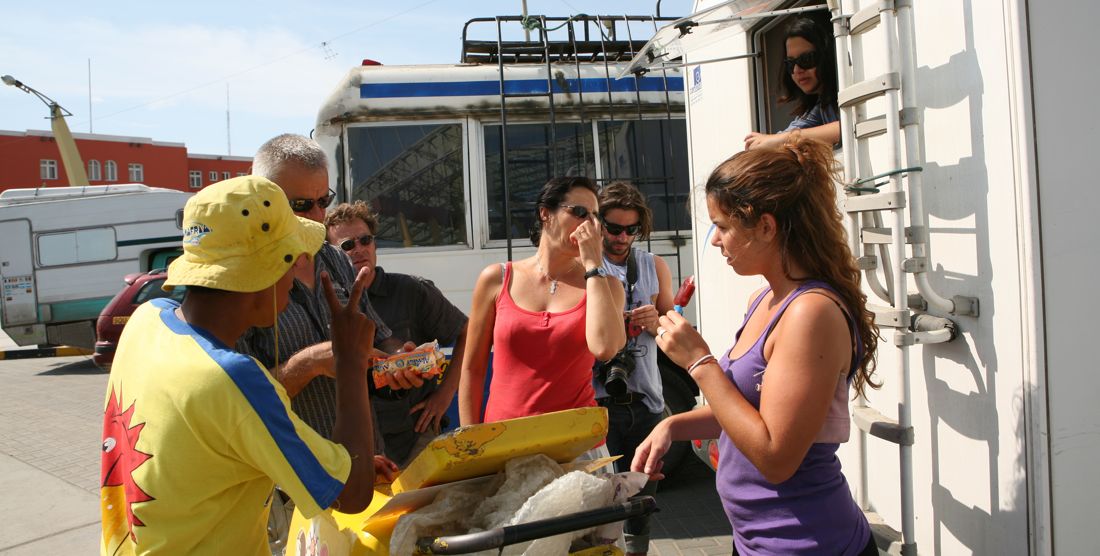
Buying ice cream on the way south

We quickly agreed we would need some drinks to celebrate the event of having found each other, and soon we were having beers and eating ceviche (again). We decided to stick together for few days on our way south, and split before Lima, where they didn’t intend to spend time. With the kids, they travel at a slower pace than we do, since every afternoon they have to do homework. If you see families traveling for a long time in remote region, chances are that they are French. This is the only country at my knowledge that allows kids to not go to school for years, as long as they follow the governmental learning path, and send homework every few days by email.
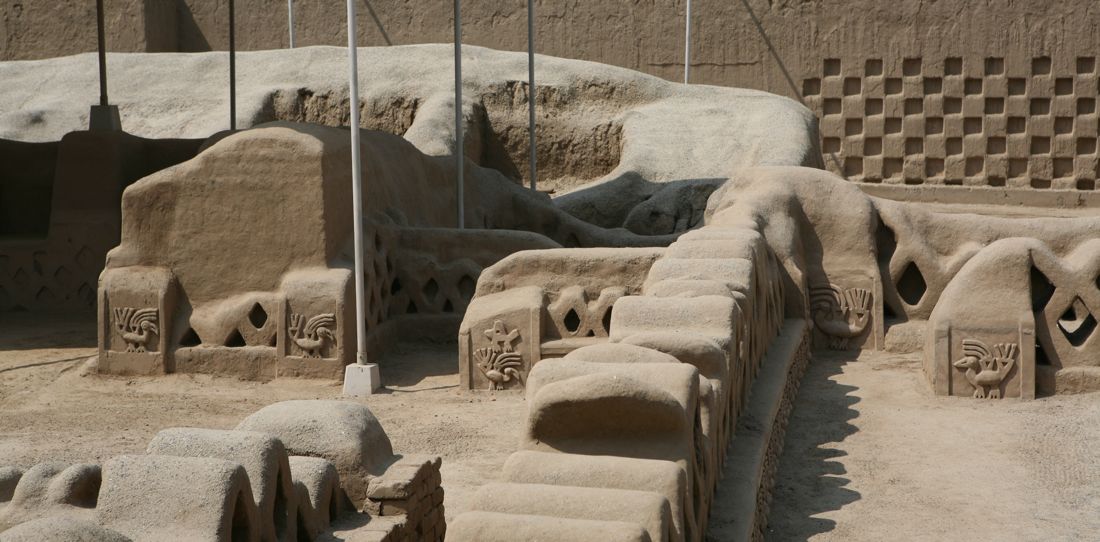
Chan Chan
Chan Chan

We stayed Huanchaco for two nights, and camped on the beach. We spent the daytime visiting the Trujillo historical center, doing groceries, and checking out Chan Chan, the largest pre-Colombian city in South America, constructed of adobe brick and covered with carved surface. The huge city of 10,000 dwellings was built around AD 850.
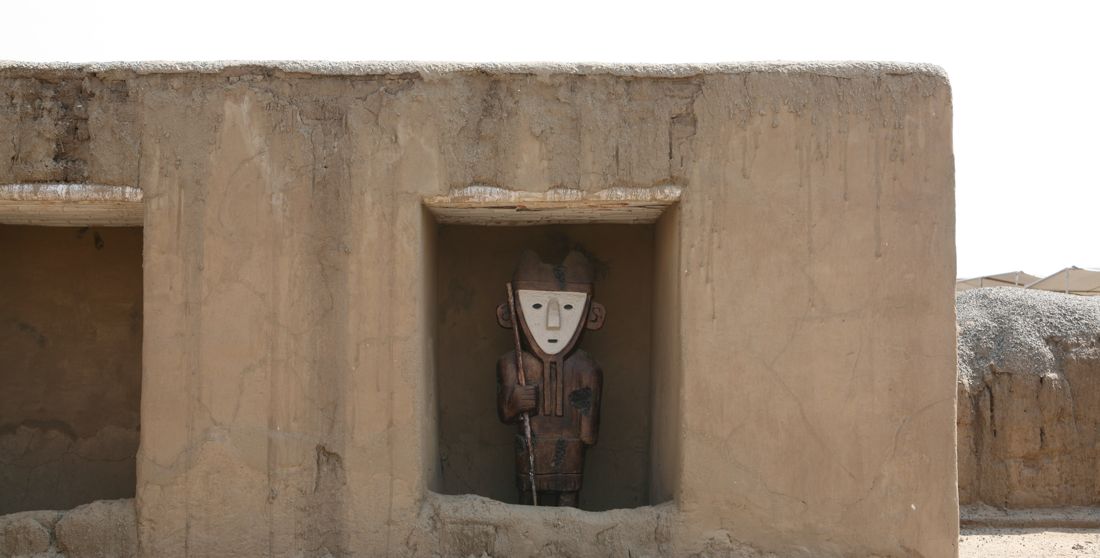
Chan Chan
Chan Chan

Back on the road, we decided to drive and do an overnight stop in Tortugas, a small town in the desert, bordered by the Pacific Ocean.
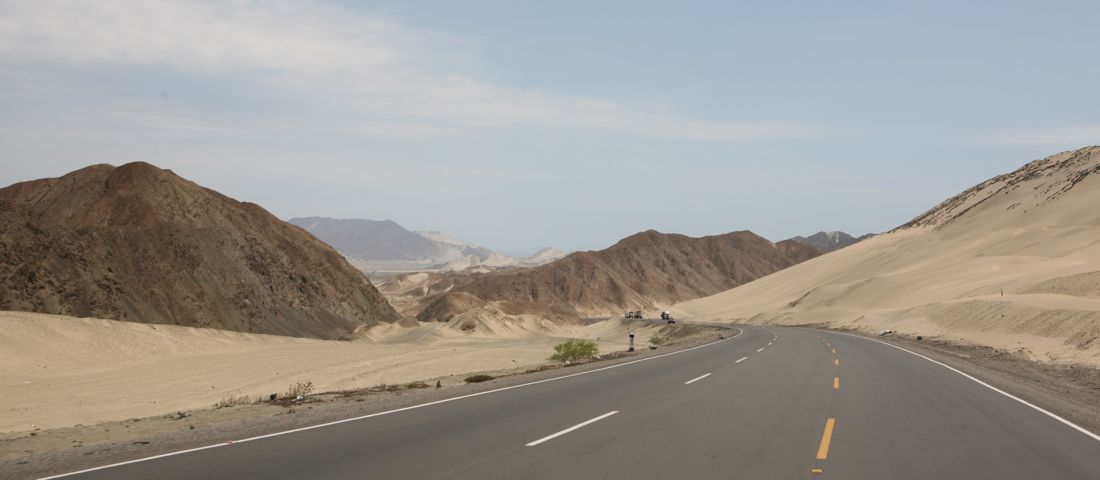
More desert
More desert

We gathered it was worth seeing it by a Peruvian barman we met in Playa Rochas. He was saying it was the most beautiful beach of the whole country.
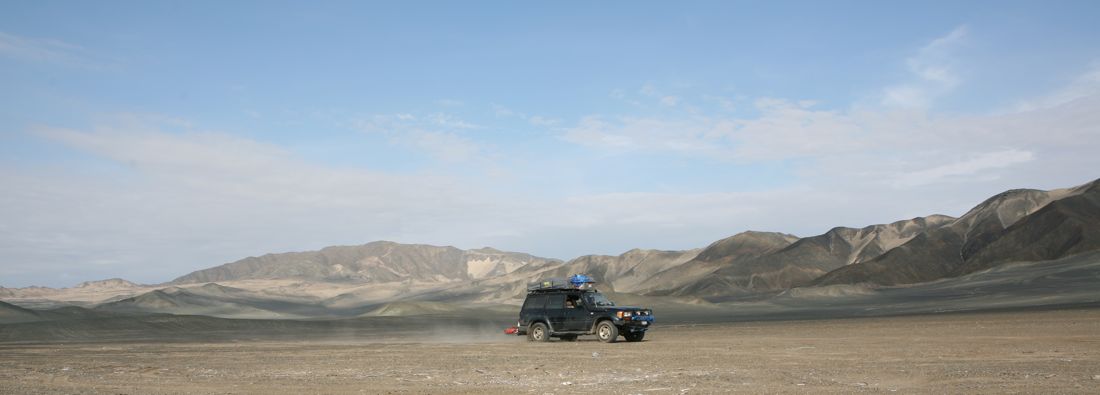
Looking for a spot along the beach

And indeed, we did find there the nicest place we saw so far in Peru. North of the fishing town was another bay, completely empty outside of a small fishing process plant. The site was gorgeous, huge and empty.
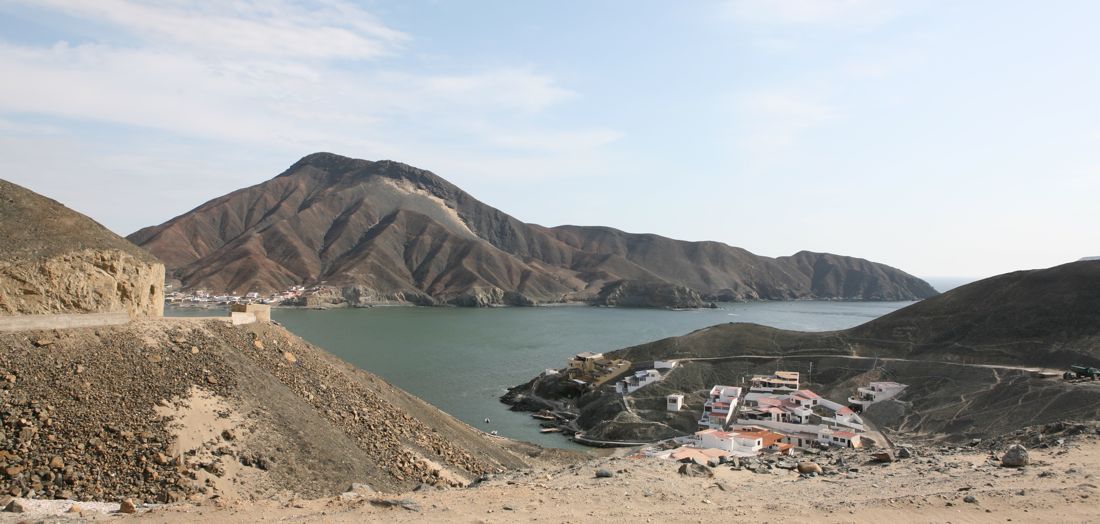
Tortugas bay
Tortugas bay

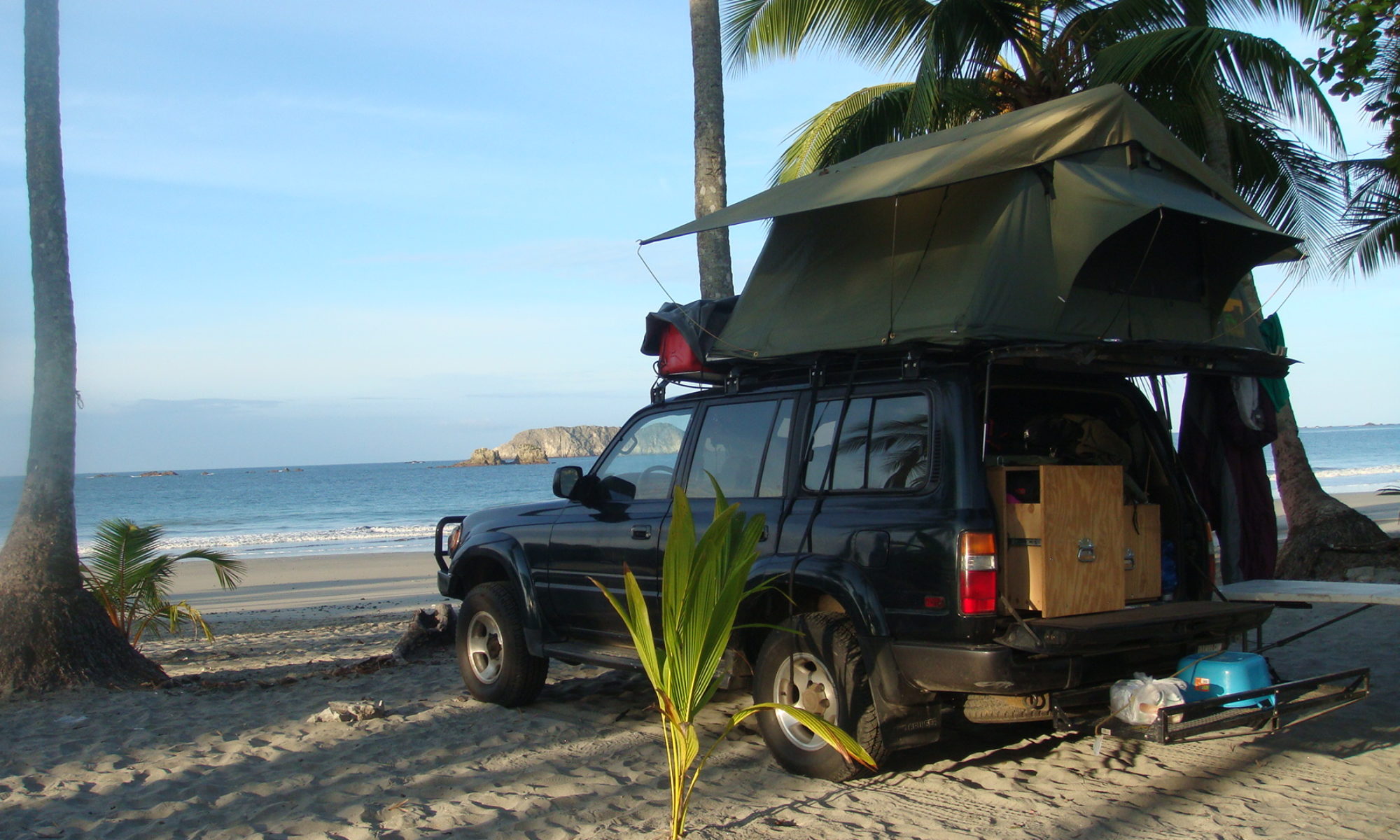
We parked the trucks in a way I was protected from the wind, made a fire and opened a bottle of rum. What can I say, there’s not much more you can ask when you get this beautiful place for yourself.
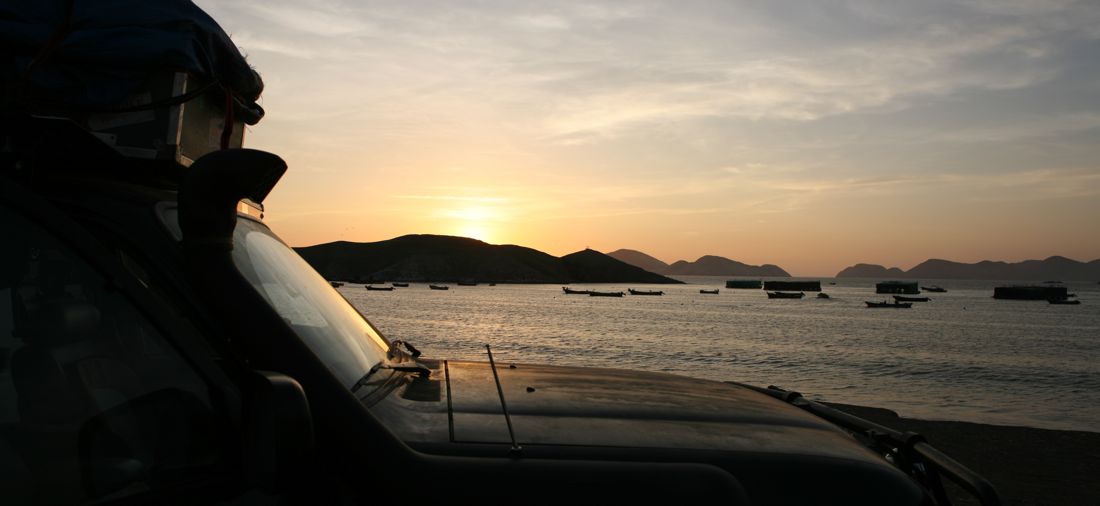
Ready for the night
Ready for the night

In the morning, Felix, one of our companions, cut my hair, as the US$1.50 haircut I got in Nicaragua was far behind, and the beatnik look is not necessary the best way to cross borders.
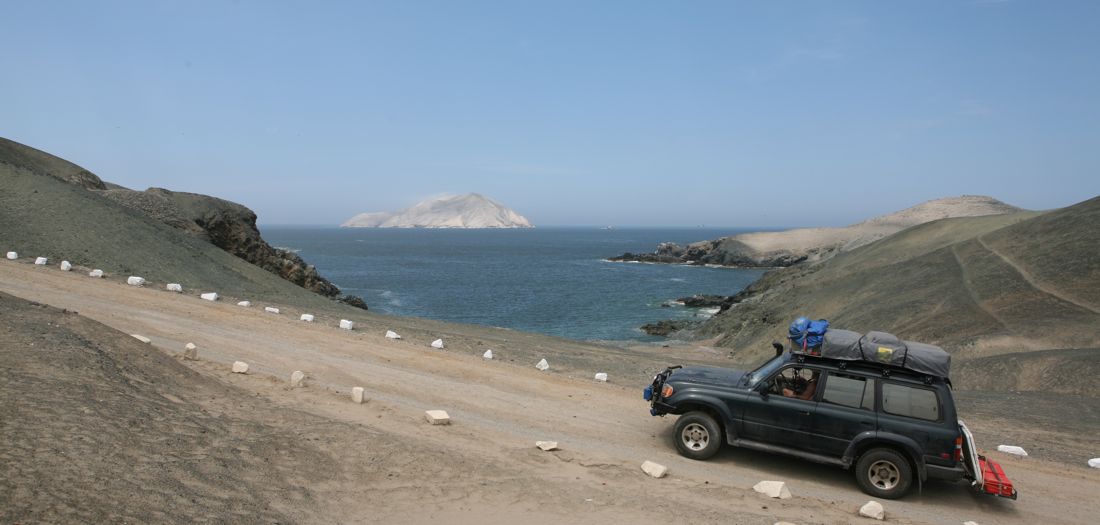
Leaving in the morning

Then we said good-bye again to the rest of the convoy, and the three of us were gone to Lima, a bit less than 300-miles away. Again, we crossed huge sand deserts.

Mountains seem to be covered with snow, which end up to be pale sand

It is a pleasant drive, as long stretch are quite relaxing, unlike Lima which would be a giant automobile chocked metropolis.
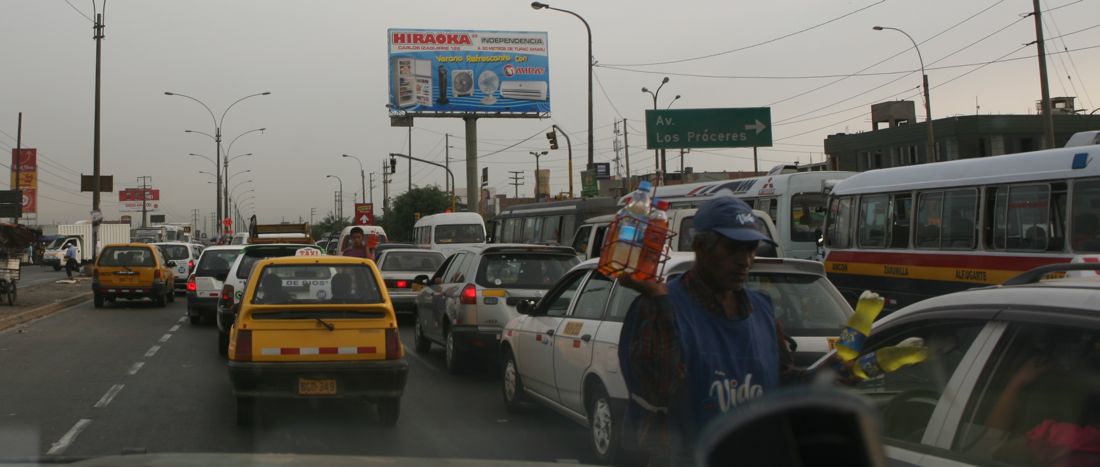
Entering Lima
Entering Lima

*Sergio is posting for Nick, who’s having trouble to access the internet.
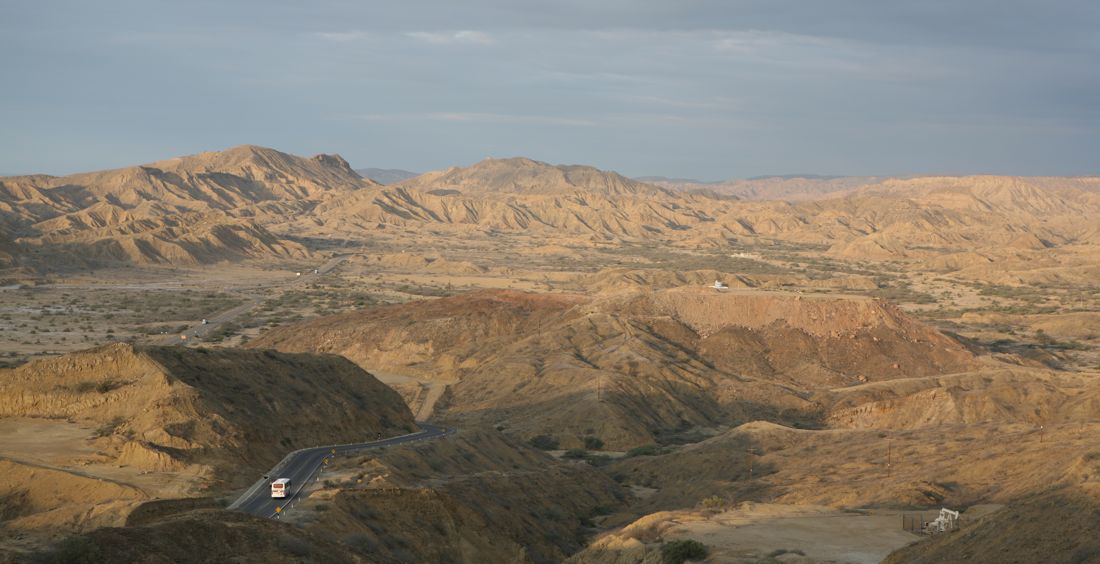
Crossing the Peruvian sand desert

In the mountains, close to Canoas

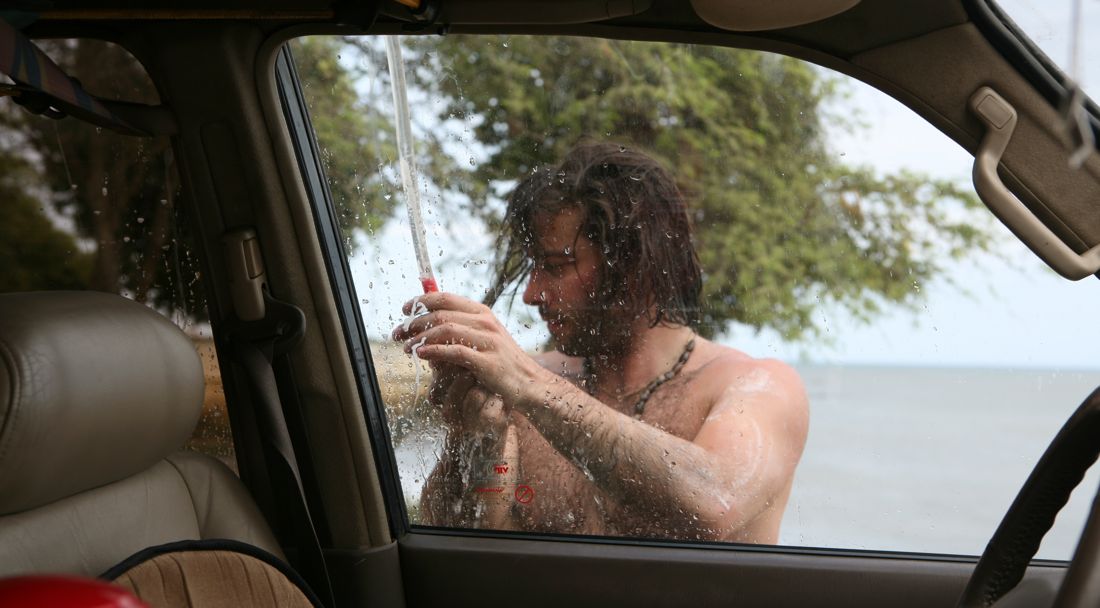
Now that we are three people traveling, we have to be even more careful about water than before. So every day, we fill up our 7-gallon jerry can with tap water – which we use for cleaning dishes and ourselves – and our Coleman shower bag.

Dan takes a shower in the morning

In addition, we make sure to have at least three gallons of drinking water, especially when we are about to cross a desert.

After spending two days at the beach in the Zorritos vicinity, we went back on the road with some difficulties due to the heavy rain in the past days. We left around 2 p.m., after took care some minor fixing on the car, like reinforcing the exhaust pipe attachments, or the back drawers, tired of intensive use in the last three months.

I was now driving toward the Sechura Desert, and we intended to stick along the coast as much as possible in the meantime, to take advantage of beach camping.

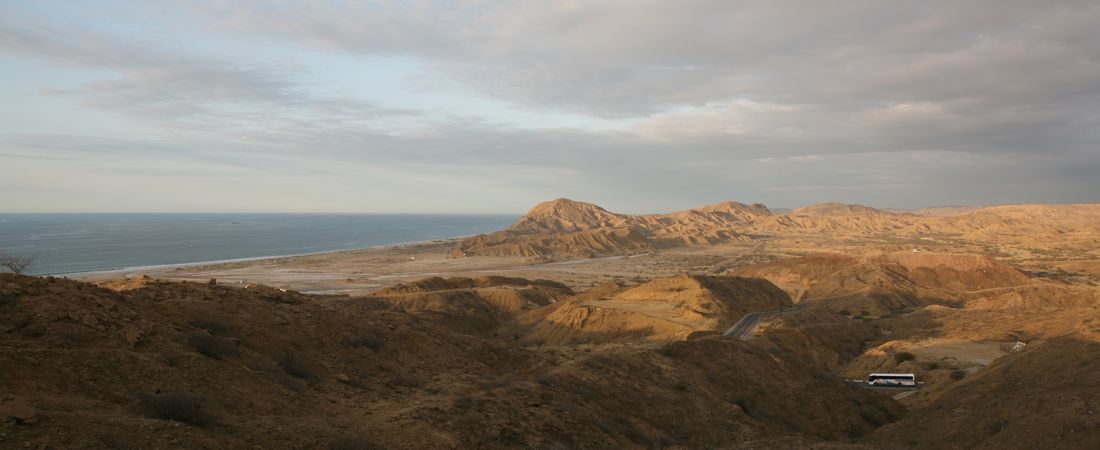
Mountains, close to Canoas and Cabo Blanco

The first afternoon, around the town of Cabo Blanco, we crossed a region of small mountains and hills made of what appeared to be mud. Because we were told the surrounding could be somewhat dangerous, we camped behind a gas station close to Negritos few hours after we left.

The desert, close to Bayovar

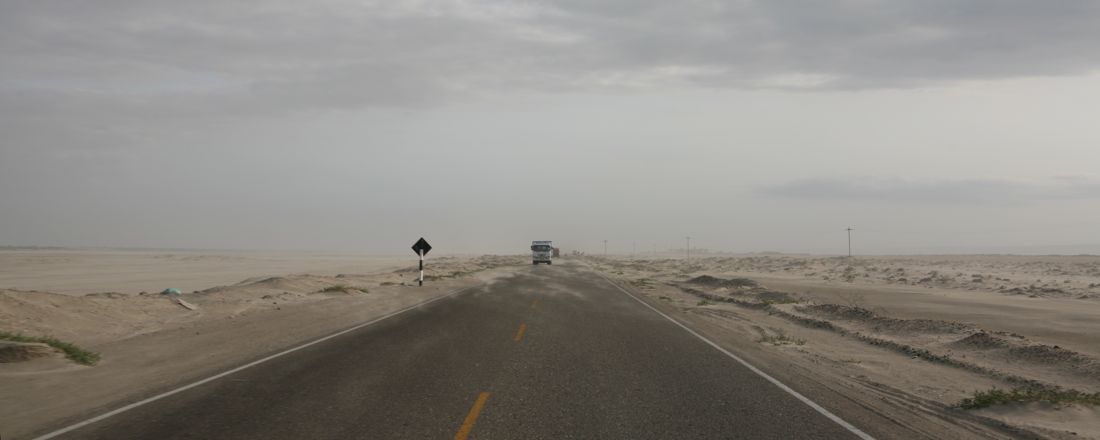
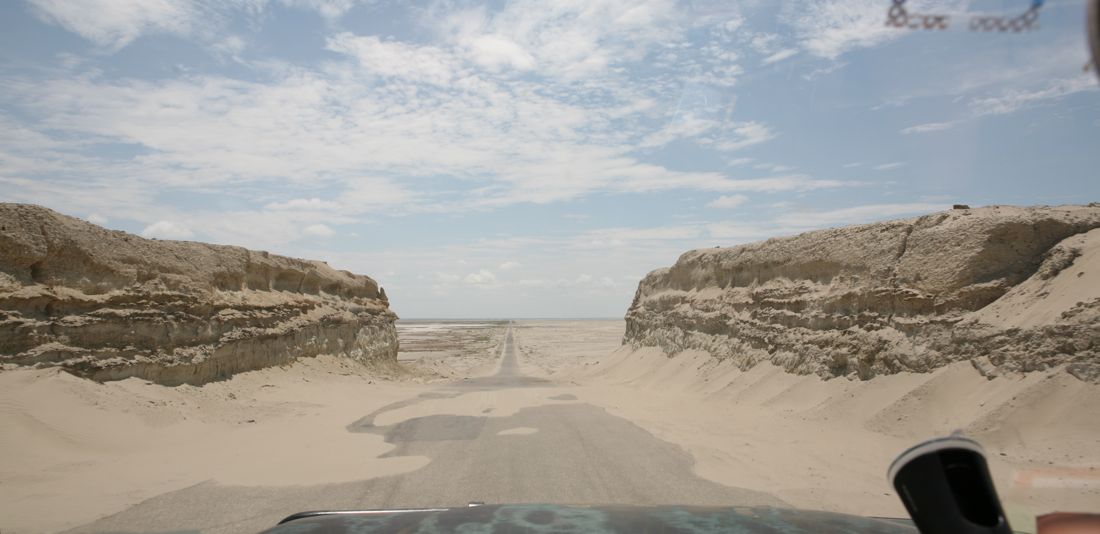
The morning after, we went in town to shop for fish and vegetables, and resumed our trip toward Bayovar. In the afternoon, we arrived in the Sechuran Desert, where an infinite sea of sand awaited us.

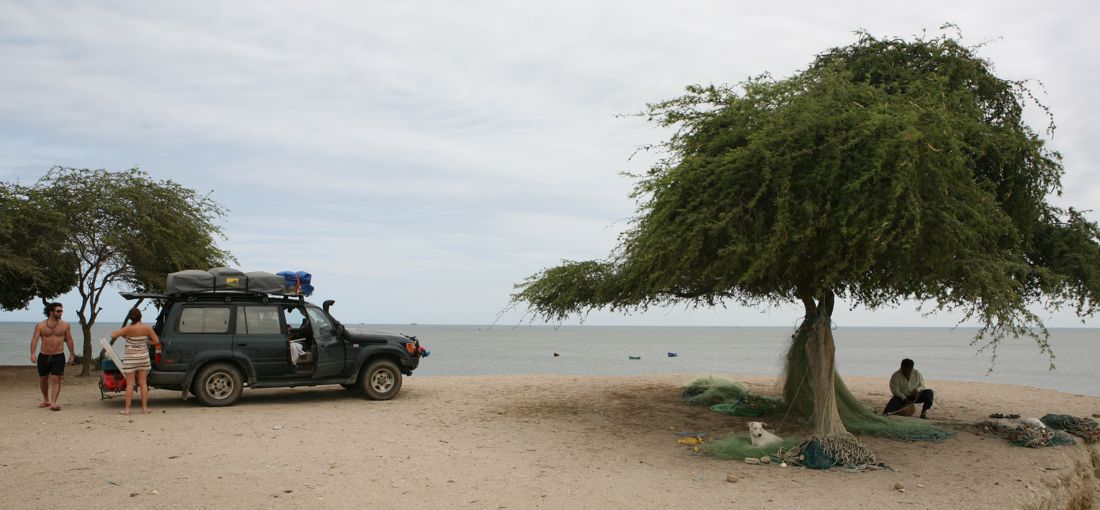
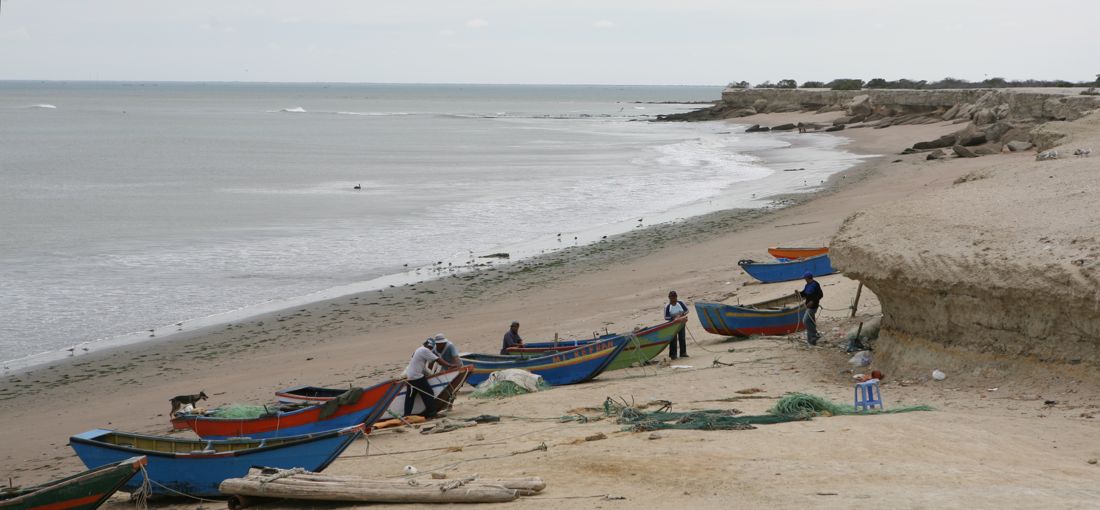
Here and there, there were fishermen villages, where puzzled people watched us drive down the bumpy roads. Close to Bayovar, we stopped at a small town famous for their woodwork. We had late lunch there, ceviche as usual. Later in the day, in a fishing village called Playa Blanca (recommended, free camping anywhere), we parked for the night.

Our campsite, close to the cliff. A fisherman fixes his net

We were close to the cliff, and there cooked the swordfish steaks we bought at the market. Unfortunately, the wind was strong during the night, and as we could not find sleep, we moved the truck more inland around 2 a.m.

Fishermen get ready to go get the nets

We took off around 11 a.m. the following day, and continued in an even more arid landscape. There was barely anyone driving the road southeast that leads to the Pan-American. You can’t help but think that you would be in a difficult situation if your car breakdown in the middle of the 100-miles wide sandy patch.

The Sechuran Desert
The Sechuran Desert

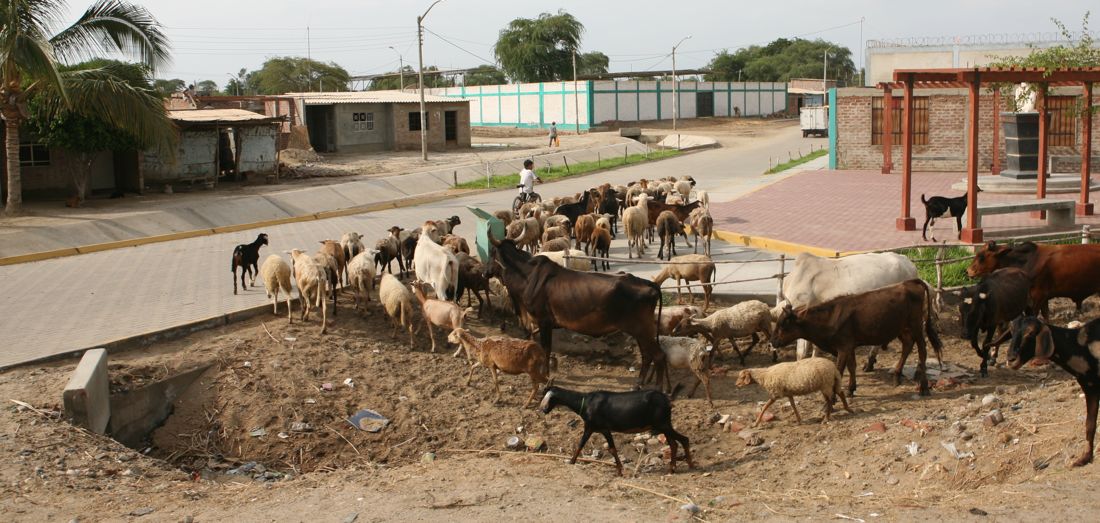
But as always, everything went well for us, and two hours after departure, we were back in an irrigated area were crops such as rice were growing.

Back in a more hospitable area

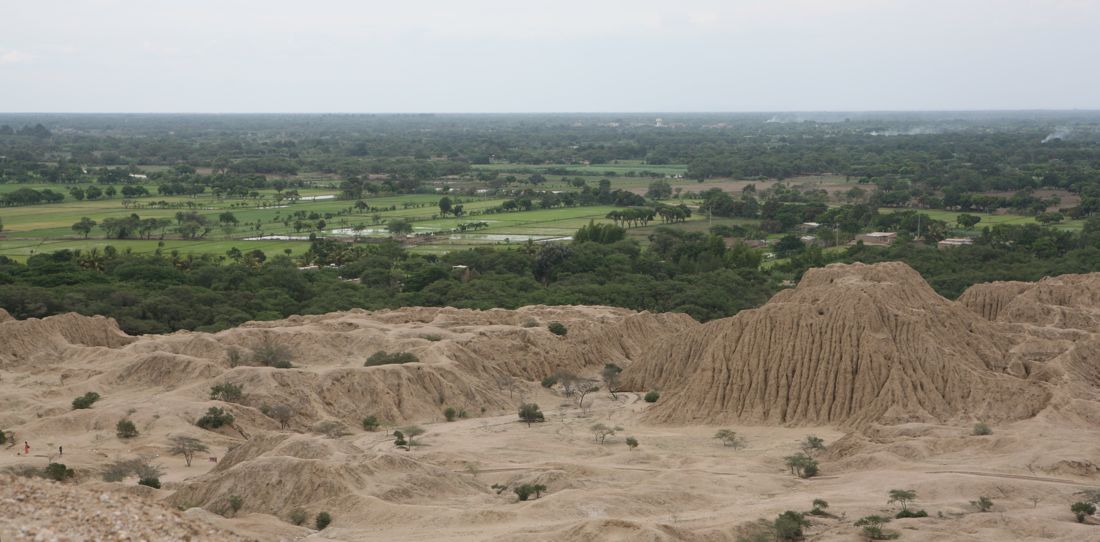
At last, we arrived in Tucume, and visited the ruins of a huge adobe city built over 1,000 years ago.

Giant adobe pyramids in Tucume

After trying out some traditional food on the site, such as goat stew and corn beer, we drove toward the coast and the town of Pimente, close to Chiclayo. There, we found Playa Rochas, a surfing beach where we decided to spend the night.

Playa Rocha, close to Pimente, a surfer spot